



Blog
Media & Entertainment
8 Oct 2026•6 min read
The Broadcast Is Not the Test. It Is the Result of the Test.
By Abhishek Hegde

Ever since mobile phones have become more powerful in terms of their battery capacity, their processing power and the OSes that they run on them, mobiles have been running more and more versatile apps. This has been fuelled by the open source community of Android developers, helped partly by the iOS development community as well. As of October 2018, there are 2.1 million apps in the Google Play Store and around 2 million apps in the App Store. This is an unprecedented number of apps, and this number is only set to grow in the next few years.
For many years now, there has been a huge push to code android apps in Java, and iOS apps in either Swift or Objective-C. This led to having different development teams and software stacks for all these different app ecosystems. This meant having different CI/CD pipelines, different change cycles, and different development teams for each of these platforms. With the possible advent of other devices and operating systems like smartwatches, smart TVs, smart kitchenware, this app ecosystem was about to explode and be rendered unmanageable. Cross-platform app development became a problem to be solved.
Thankfully, Facebook recognized this predicament and came up with a fantastic solution which was based on the powerful React Web development framework. React is a framework created by Facebook for data-driven web interfaces. React provides a component-driven architecture which uses a declarative syntax and is easily extensible.
In 2012 Mark Zuckerberg commented,
“The biggest mistake we made as a company was betting too much on HTML5 as opposed to Native”.
Facebook was running an internal hackathon project, that used React’s core, and javascript language, using which, one could write apps for mobile devices. Which was later named as React Native and was announced at Facebook’s React.js conference in February 2015. In March of 2015, Facebook announced at F8 conference that React Native is open and available on GitHub.
And then suddenly, the IT world was abuzz with excitement around React Native. Everyone wanted to build an application in React Native, and React Native developers started getting hired in huge numbers.
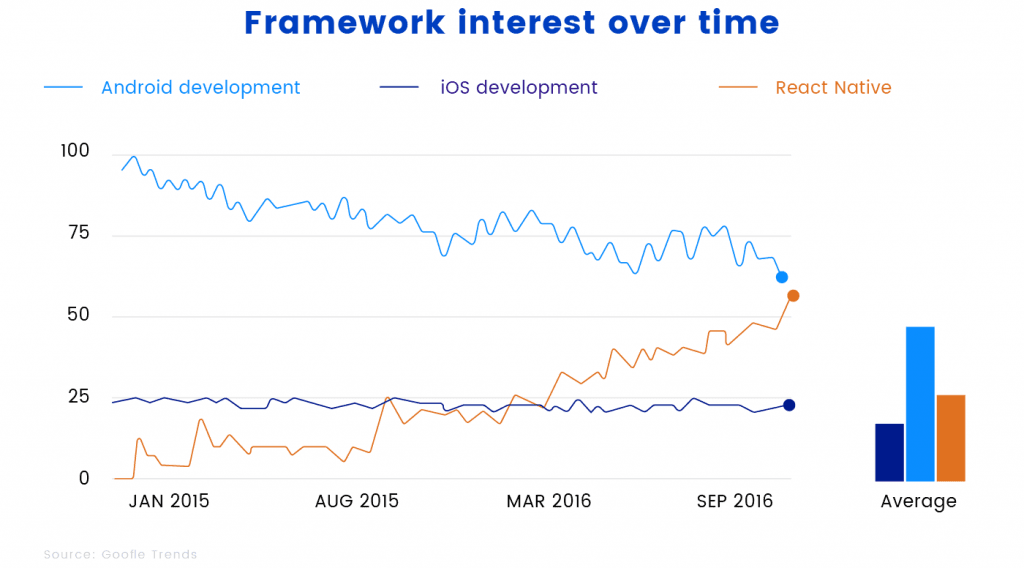
Image Source
To understand why this buzz is justified, and why we should develop applications in React Native, let’s take a step back and understand some basics.
Contents
React Native is an open source framework which transfers the concepts of web development into mobile development. The apps you build with React Native aren’t just mobile web apps though. This is because React Native uses the exact fundamental UI building blocks that regular iOS and Android apps use. Instead of using Swift, Kotlin or Java, you can put the building blocks together using JavaScript. In contrast, frameworks like Ionic would end up creating just web apps for mobile, and you won’t get the native experience in the apps created by them.
React Native was created with“Learn Once, Write Anywhere”. With Javascript being the medium of development, the developers, don’t need to know multiple languages such as Swift, Kotlin, or Java. Neither they need to be adept at native iOS or Android development. Anyone with good Javascript knowledge can be easily on-boarded to React Native development with a little learning curve.
Facebook’s objective has been:
“To be able to develop a consistent set of goals and technologies that let us build applications using the same set of principles across whatever platform we want.”
Given this overarching objective, they set out to apply the same set of principles such as the virtual dom, layout engine, stateful components and many others of their React framework, to the iOS and Android platforms. The benefit of React Native is that if you understand how to build a React Native app for Android, you understand how to build a React Native app for iOS.
It’s truly – learn once, write anywhere!
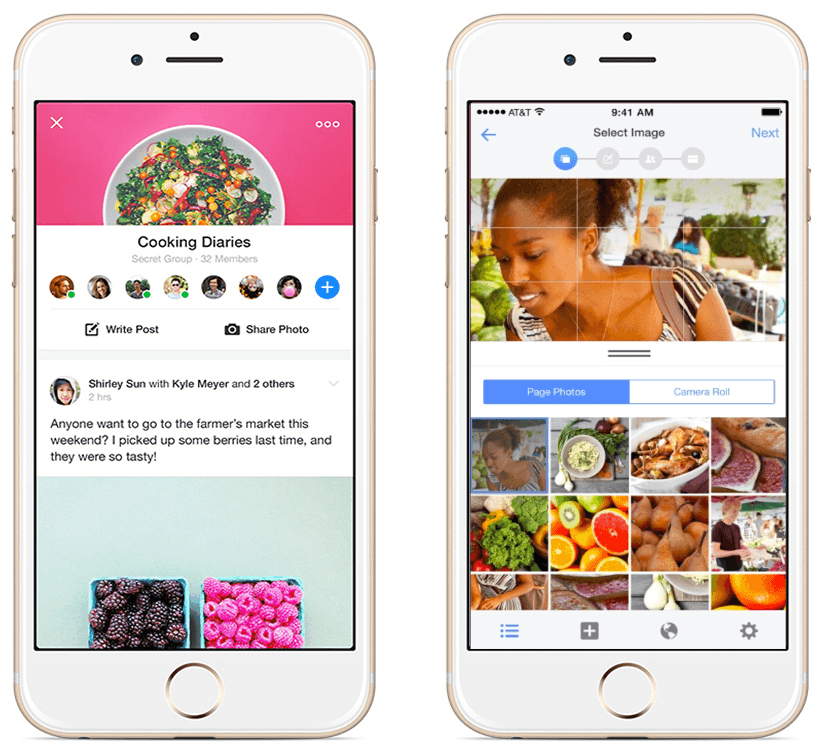
Image Source
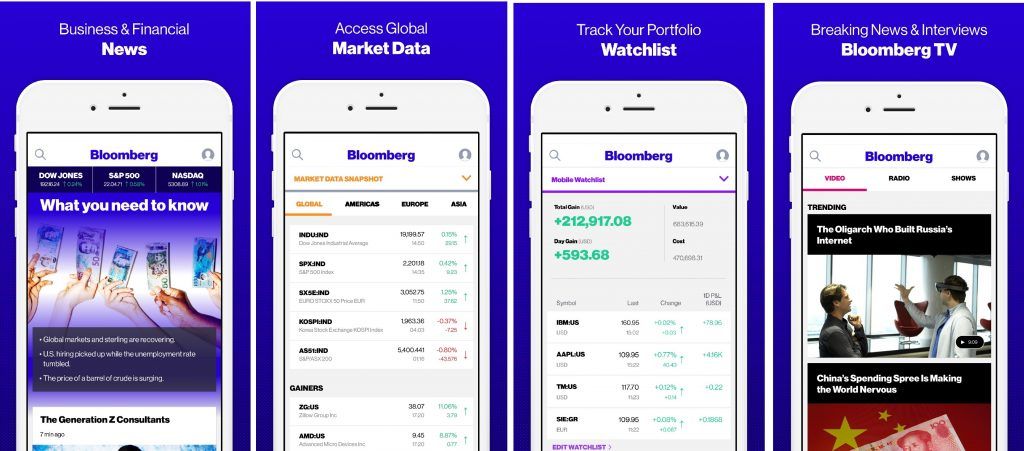
Image Source
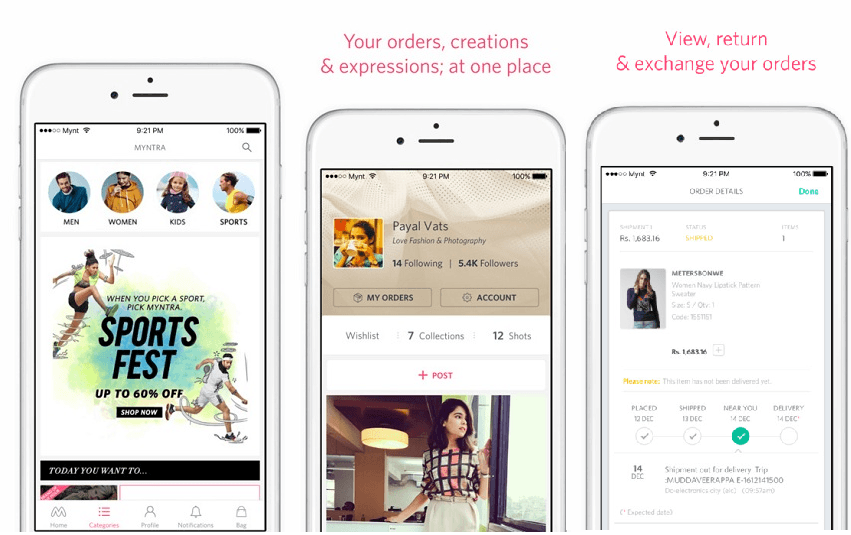
Image Source
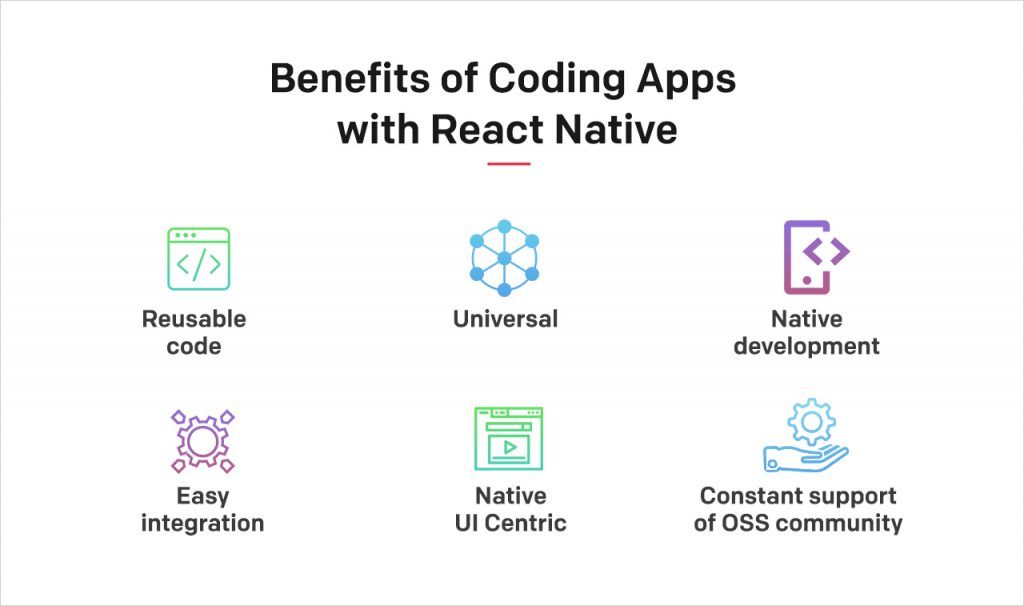
React Native is famous for empowering its developers with unmatched speed during coding and efficiency. React UI library for web applications is present for all UI elements. The DOM abstraction only adds to the technical superiority of the library.
You will get speed and agility.
Some of the most critical questions that are plaguing the heads of technology divisions at most companies are –
Is React Native the right solution for us? Is it better than native development?
There is no easy way to answer this question. It depends, to a large extent, on your use case. Both React to Native development and Native app development serve different purposes.
The short answer is “NO”. There some pitfalls of using React Native as well.
Some of the disadvantages are:
Maybe React Native is not meant to be for all your needs and use cases.
But the key thing about React Native is that it’s still in development and we are yet to see its full potential. In the future, it may be more powerful and efficient and allow for even more use cases, but for now, it cannot fully replace native mobile app development. However, it’s written once, use everywhere paradigm can be a tremendous time and money saver if used on the right projects.

By Shripada Hebbar

RESOURCES
By Abhishek Hegde

By Ivan Pinto
Most conversations about AI delivery focus on what the delivery partner brings to the engagement. The methodology, the toolchain, the engineering practice, the governance standards. We have written elsewhere about what Robosoft brings, and about the standard we have built ARIA around.

By Srinidhi Rao
Most organizations evaluating AI delivery partners are asking the wrong question. They tend to ask which tools a firm uses, when the question that actually matters is what standard the firm is operating to.
A tool is a productivity bump. A standard is what shapes whether the work compounds or stays flat. It is, in our experience, much of why AI projects fail to move past the productivity bump. Firms producing genuinely different outcomes with AI today are doing so because the same operating rules run through every decision, every gate and every phase of the work.
Engineering
Human
Experiences
Let’s get in touch
We craft intuitive digital products that blend user-centric design with robust technology. From UX/UI to full-stack development, we help brands turn ideas into scalable solutions.