



Blog
AutomotiveEmbedded Engineering
12 Nov 2026•6 min read
Automotive OTA Updates: Building Scalable Platforms for Software-Defined Vehicles
By KaliCharan Manchikanti
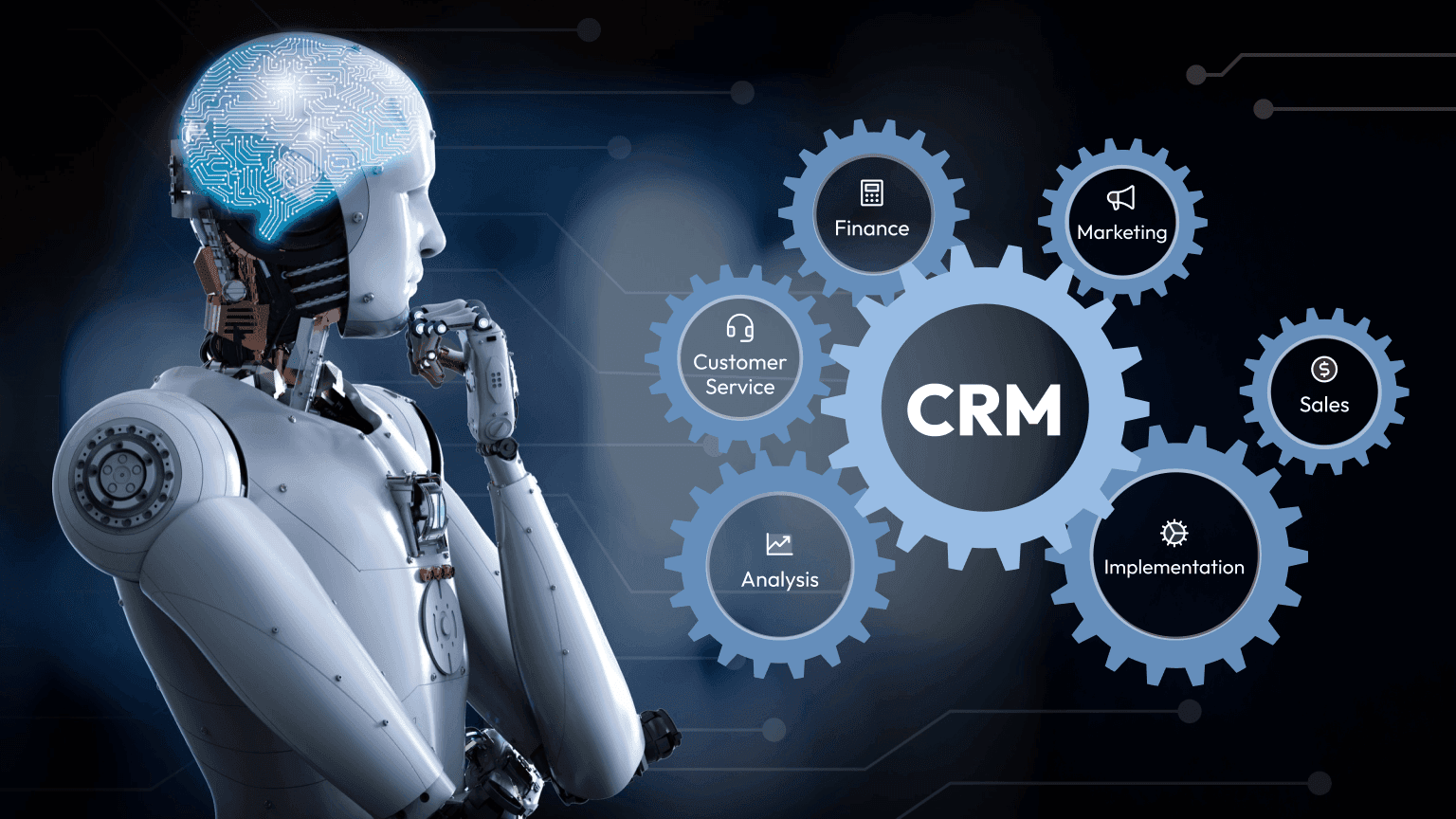
As businesses race to forge deeper, more meaningful connections with customers, AI-powered CRM systems transform how companies engage, operate, and grow. In our guide, Navigating CRM Implementation, we empowered businesses to deploy robust CRMs, streamlining operations and strengthening customer relationships. Now, artificial intelligence in CRM marks the next evolution, enabling personalized experiences and streamlined workflows while prioritizing data accuracy and trust. Explore how AI in CRM transforms customer connections and positions businesses to thrive in a competitive landscape.
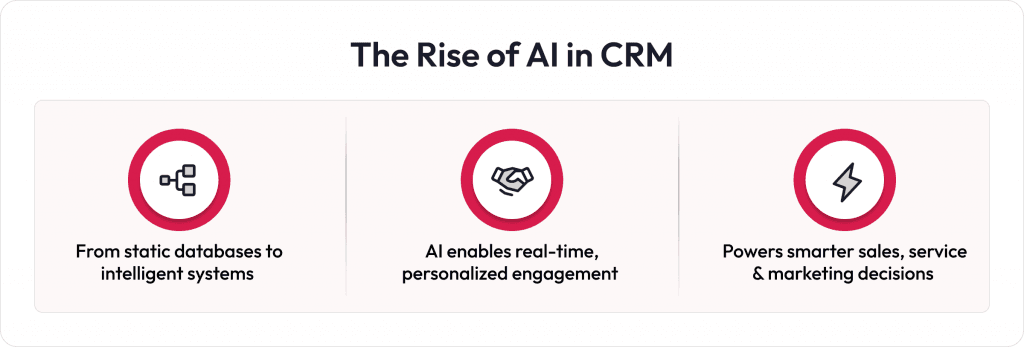
Integrating AI into CRM introduces a data-driven approach that elevates customer interactions, benefiting both businesses and consumers. By embedding AI and automation, AI-driven CRM software uncovers deeper insights into customer behaviors, preferences, and needs. Customer engagement, the core of CRM, has evolved with technological advancements. While CRM providers have long championed AI, its recent surge in adoption has transformed how companies connect with their audiences.
Originally, CRM systems functioned as simple databases, primarily used by accounting teams to store customer information and track interactions. As these systems evolved, they incorporated features tailored for marketing, sales, and customer support teams. However, as businesses expanded and customer expectations grew, the sheer volume of data generated by CRM platforms overwhelmed traditional systems. This challenge paved the way for generative AI tools, which have transformed modern CRM operations.
Today, organizations can choose from AI-driven CRM software, including Salesforce CRM – Einstein GPT, Hubspot CRM – ChatSpot, Freshworks – Freddy AI, Zoho CRM – Zia etc. Innovative AI tools, such as actionable meeting summaries, custom email templates, automated ticket routing, and intelligent notifications, provide real-time insights into sales pipelines. These advancements place the customer experience at the core of CRM, leveraging real-time data to deliver the personalized and timely interactions that customers now expect.
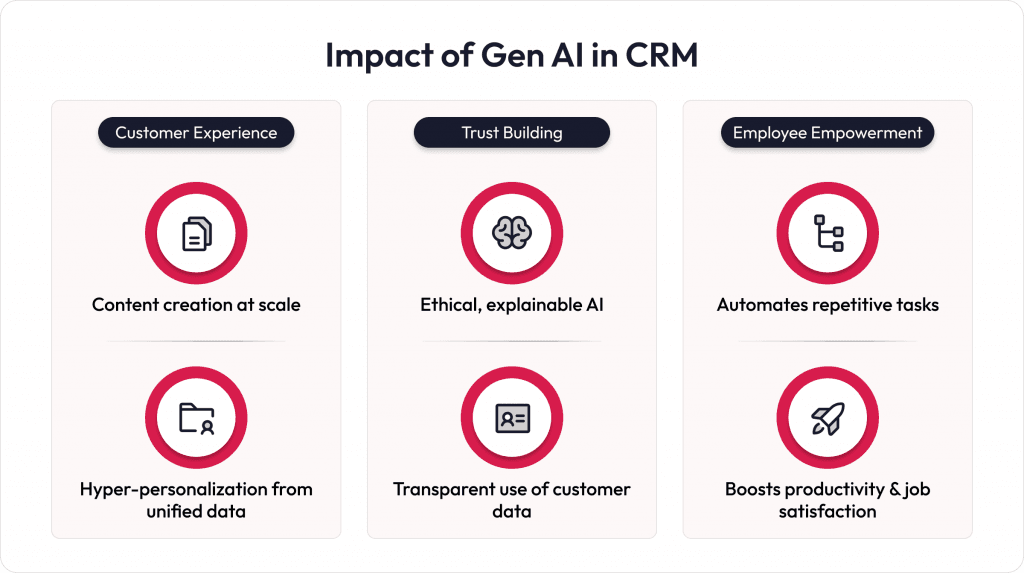
Generative AI in AI-driven CRM software unlocks new opportunities for delivering exceptional customer experiences through three key areas:
Generative AI’s advancements in CRM pave the way for enhanced personalization and efficiency, but businesses must address implementation challenges to fully realize these benefits.
AI-powered CRM systems deliver numerous advantages:
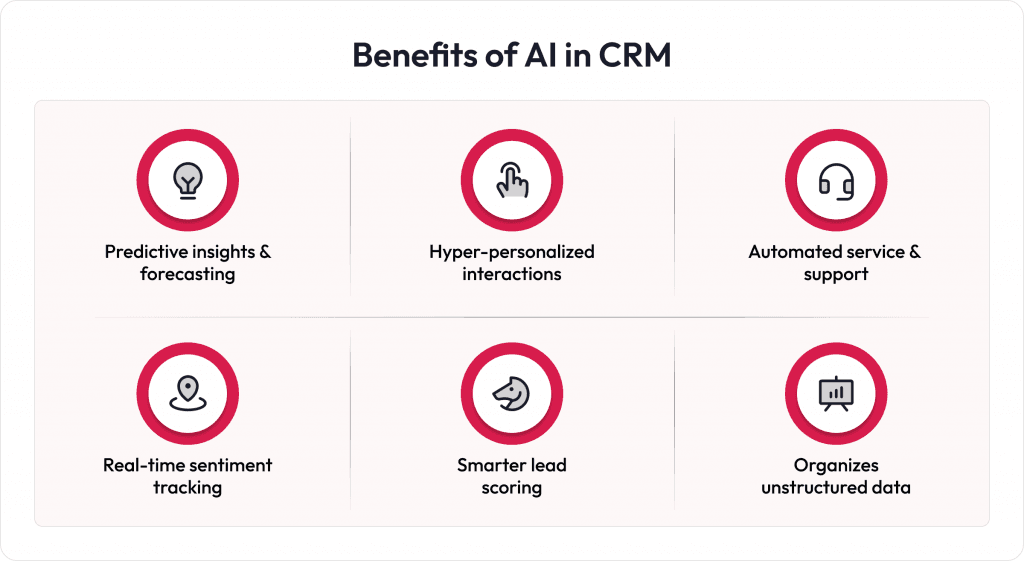
AI in CRM offers a wide range of applications, tailored to specific business goals:
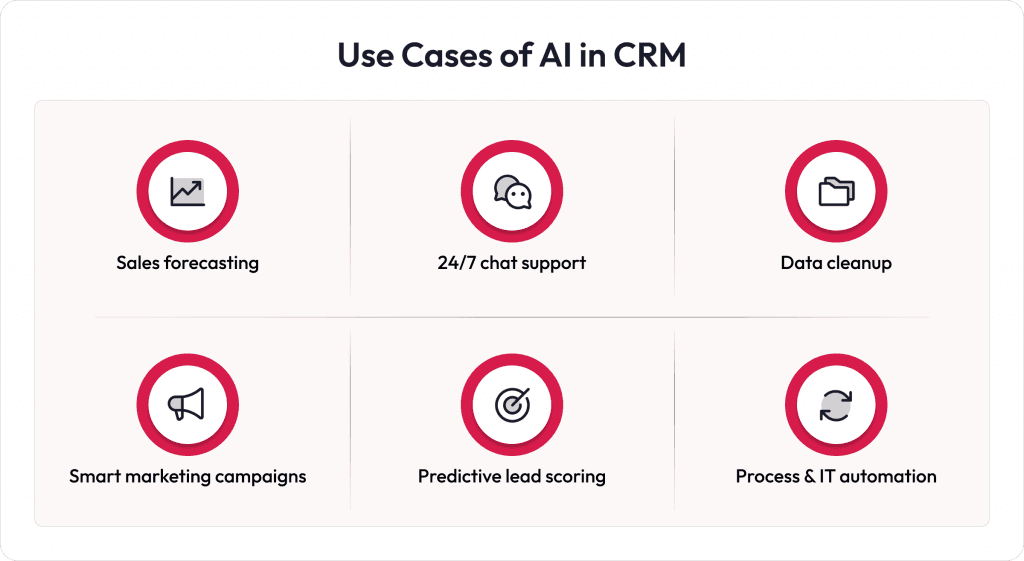
Integrating AI into CRM requires more than just tool adoption—it demands data readiness, system scalability, and employee alignment. Businesses must ensure customer data is clean, structured, and reliable to train effective AI models. Industry-specific customization is critical to make insights relevant. Equally important is preparing employees through training and clear communication, ensuring they understand how AI complements their roles. IT teams must support seamless integration and real-time processing. A holistic approach enables AI to transform CRM from a passive database into an intelligent, predictive system.
As AI in CRM handles sensitive personal data, compliance with regulations like GDPR and CCPA is critical. Businesses must ensure data transparency, obtain customer consent, and audit AI behavior regularly to address bias and maintain fairness. Ethical AI practices not only prevent legal issues but also strengthen customer trust—an essential factor in long-term engagement and loyalty.
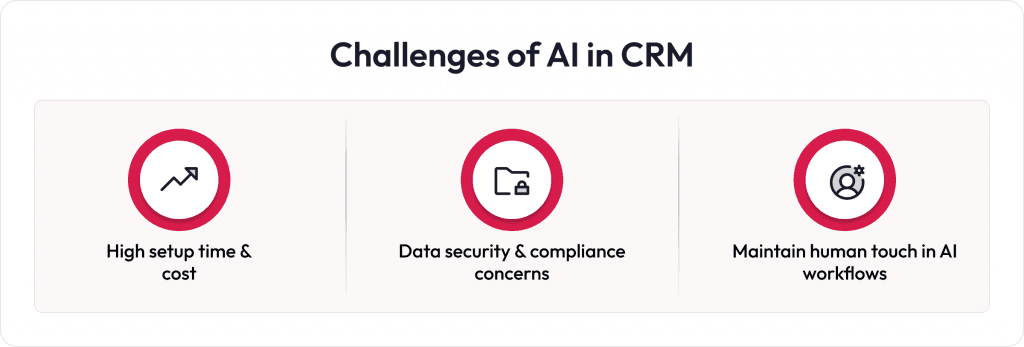
Implementing AI in CRM presents several hurdles:
Addressing these challenges is essential to unlocking AI’s full potential in CRM and fostering stronger customer relationships.
To evaluate AI’s effectiveness, organizations should track key performance indicators (KPIs) that reflect its impact on customer engagement and business outcomes. Metrics such as lead conversion rates, reduced response times, and improved customer satisfaction scores (e.g., Net Promoter Score) highlight AI’s role in driving efficiency and loyalty. Additional indicators, like churn reduction, upsell success, and faster deal closures, demonstrate the value of predictive insights and automation. These KPIs provide actionable insights to refine AI strategies and validate return on investment (ROI), ensuring businesses maximize the benefits of AI-driven CRM.
As customer expectations for hyper personalization continue to rise, AI in CRM will play an increasingly vital role. Every business now competes to deliver the most personalized digital experience, vying for consumer attention. Generative AI is poised to meet these demands, offering tailored sales offers, recommendations, and exceptional customer service. As AI technology advances, businesses can anticipate more sophisticated AI-powered tools, such as voice recognition and augmented reality, further enhancing CRM capabilities.
The future of AI in CRM is promising, with ongoing development of innovative tools that will continue to redefine customer engagement. Organizations that proactively integrate AI into their CRM processes will maintain a competitive edge, fostering stronger customer relationships and thriving in the dynamic landscape of customer relationship management.

By Mahesh Kumar

RESOURCES
Automotive OTA Updates: Building Scalable Platforms for Software-Defined Vehicles
By KaliCharan Manchikanti

AI in Travel: Enterprise Use Cases Across Booking, Operations and Customer Experience
By Janardhana T
More Models, Fewer Decisions: How to Scale AI Adoption Without Scaling the Bill
By Simon Matar
We are seeing the same pattern with our clients. Once AI adoption reaches a certain point, costs rise faster than the annual budget can absorb. So what drives these costs, and how do you keep adoption going without the budget...
Engineering
Human
Experiences
Let’s get in touch
We craft intuitive digital products that blend user-centric design with robust technology. From UX/UI to full-stack development, we help brands turn ideas into scalable solutions.