


Blog
Media & Entertainment
8 Oct 2026•6 min read
The Broadcast Is Not the Test. It Is the Result of the Test.
By Abhishek Hegde
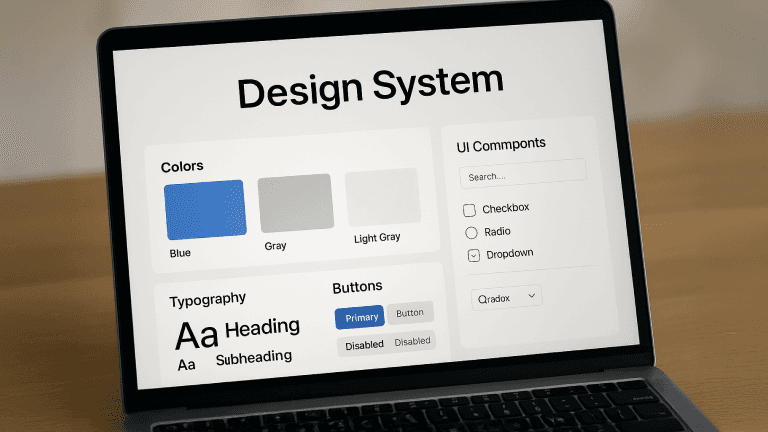

A blueprint conjures up visions of a plan, a model, or a template. It can be replicated and saves time and effort. Similarly, in the digital world, Design Systems act as the blueprint for creating consistent, scalable, and efficient product design.
Any physical or digital product needs a defined process to establish a unique identity. This becomes crucial in today’s crowded marketplace, full of parity products and services. The quality of customer experience on digital platforms is often a differentiating factor for brands and becomes the basis of customer engagement and loyalty.
Creating a robust design system is essential for startups and enterprises aiming to deliver consistent, scalable, and efficient digital experiences. For senior design professionals, mastering their creation and governance is key to driving product quality, team efficiency, and brand integrity across complex organizations. This blog explores the best practices in building and maintaining Design Systems. It covers the need for Design Systems, how to build them, their benefits in redesign projects, and strategies for maintenance and scalability.
Design System combines branding and UI/UX principles, establishing a shared vision to ensure each user touchpoint reflects the brand’s values and personality. Such consistency promotes familiarity and memorability, vital assets in a digital marketplace crowded with similar offerings.
Today, organizations must deliver seamless user experiences across multiple platforms and products. A design system addresses this by providing a shared language and reusable components that unify design and development efforts.
Without a design system, product teams risk inconsistent UI elements, leading to fragmented user experiences and brand dilution.
Building a design system is a structured process that requires careful planning, collaboration, and iteration. Here are the Design System best practices and key steps:
Start by auditing your existing design assets, tools, and workflows. Understand the design maturity of your teams and identify pain points such as inconsistencies or inefficiencies. This baseline helps tailor the design system to your organization’s needs.
Establish design principles that reflect your organization’s values and goals. These principles act as a north star, guiding design decisions and ensuring alignment across teams. For example, if accessibility is a priority, include actionable guidelines for inclusivity and compliance with standards. Airbnb’s Design Language System centers on “belonging,” influencing warm colors, approachable typography, and inclusive visuals that make every interaction feel personal.
Inventory all UI elements—buttons, forms, icons, colors, typography, grids, and patterns. Evaluate each component’s usage and relevance, keeping only those that serve user needs and business goals. This creates a component library that forms the core of your design system.
Define your brand’s visual identity through colors, typography, spacing, and iconography. Introduce grid systems and layout rules to ensure consistency across screens and devices. This visual language should be documented clearly for easy reference.
Develop reusable UI components with clear usage guidelines, including behavior, anatomy, and accessibility considerations. Documentation should be comprehensive, covering when and how to use each component, supported by code snippets and design files.
Design Systems evolve continuously. Define a governance strategy to manage updates and contributions. Common models include:
Choose a model that fits your organization’s size and culture, ensuring clear communication and version control. IBM’s Carbon Design System encourages regular review sessions and open channels for feedback, balancing governance with community contributions.
Communicate the design system’s value and usage across teams. Provide training, create accessible documentation hubs, and encourage feedback. Use tools like Slack channels or project management software to keep everyone informed and engaged.
Redesigning digital products is complex and resource-intensive. Leveraging a design system during redesign offers significant advantages:
In essence, a design system is not just a style guide but a strategic asset that drives product quality, team productivity, and business growth.
We recently created a Design System for a leading audit brand in the US. Our journey began with building a robust design system based on the product requirements, new brand guidelines, and foundation DSM created for the website. This foundation ensured that our approach was both strategic and aligned with core values and vision of enhanced experience.
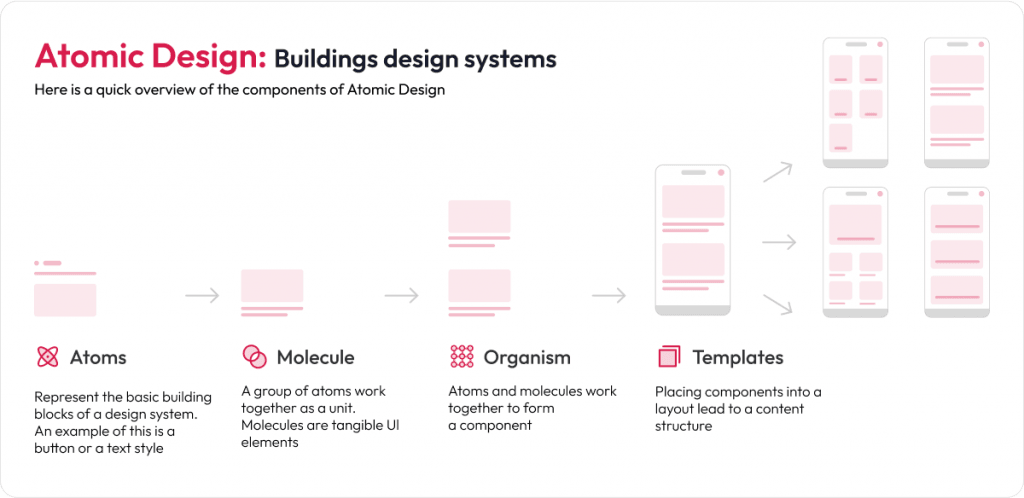
We built the design system using the Atomic Design framework, defining and designing everything from tokens to layouts.
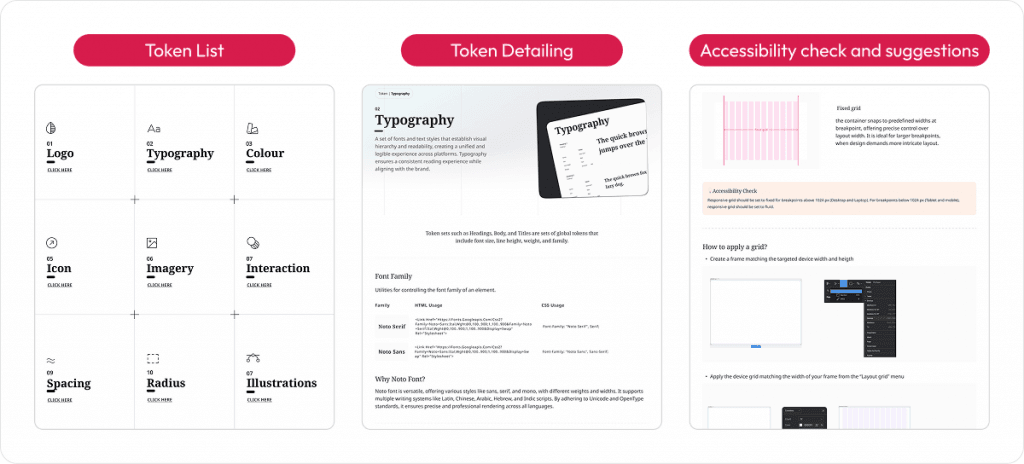
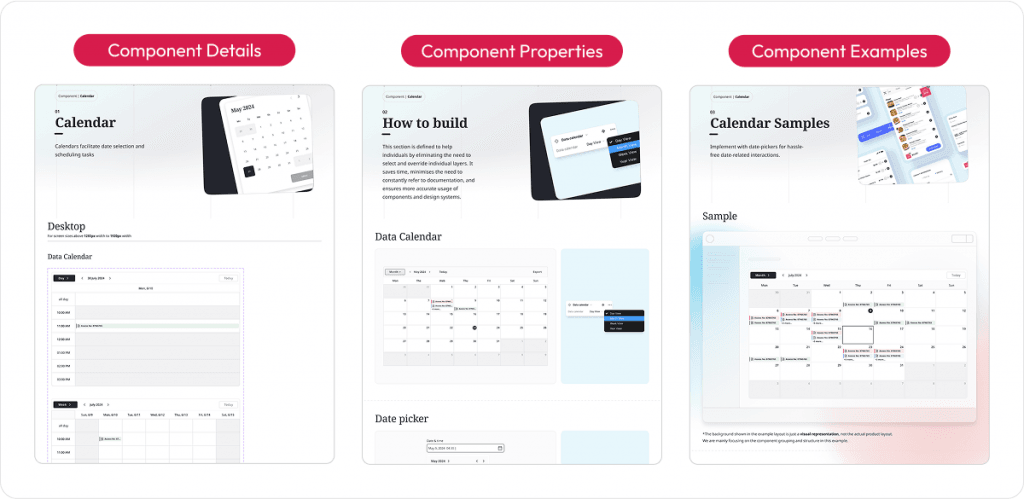
We then set out the design goals, a design style guide, design tokens and components.
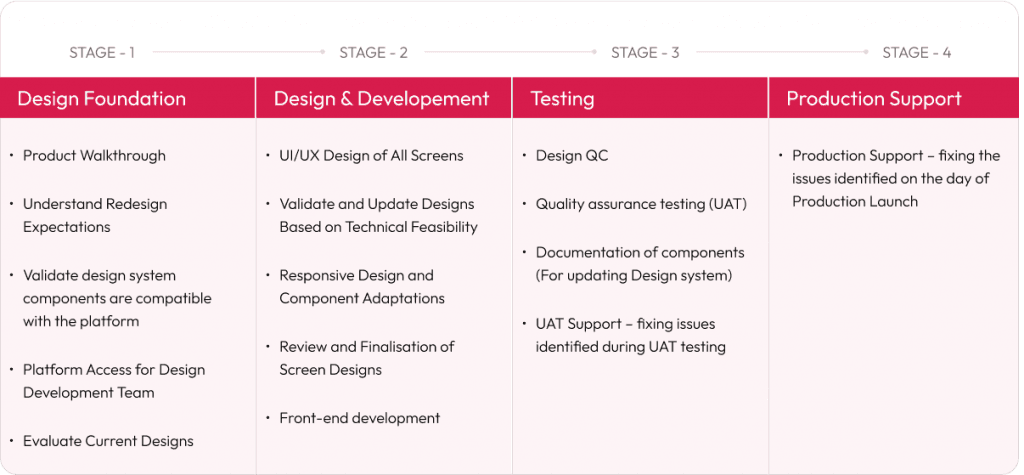
As we transitioned to redesigning the training platform, we carefully adapted the design system. Our approach focused on addressing challenges like inconsistencies and scalability while retaining the brand essence.


By Vikram Kalle

RESOURCES
By Abhishek Hegde

By Ivan Pinto
Most conversations about AI delivery focus on what the delivery partner brings to the engagement. The methodology, the toolchain, the engineering practice, the governance standards. We have written elsewhere about what Robosoft brings, and about the standard we have built ARIA around.

By Srinidhi Rao
Most organizations evaluating AI delivery partners are asking the wrong question. They tend to ask which tools a firm uses, when the question that actually matters is what standard the firm is operating to.
A tool is a productivity bump. A standard is what shapes whether the work compounds or stays flat. It is, in our experience, much of why AI projects fail to move past the productivity bump. Firms producing genuinely different outcomes with AI today are doing so because the same operating rules run through every decision, every gate and every phase of the work.
Engineering
Human
Experiences
Let’s get in touch
We craft intuitive digital products that blend user-centric design with robust technology. From UX/UI to full-stack development, we help brands turn ideas into scalable solutions.