



Blog
AutomotiveEmbedded Engineering
12 Nov 2026•6 min read
Automotive OTA Updates: Building Scalable Platforms for Software-Defined Vehicles
By KaliCharan Manchikanti
What Digital Experience Means for Modern Travel Enterprises
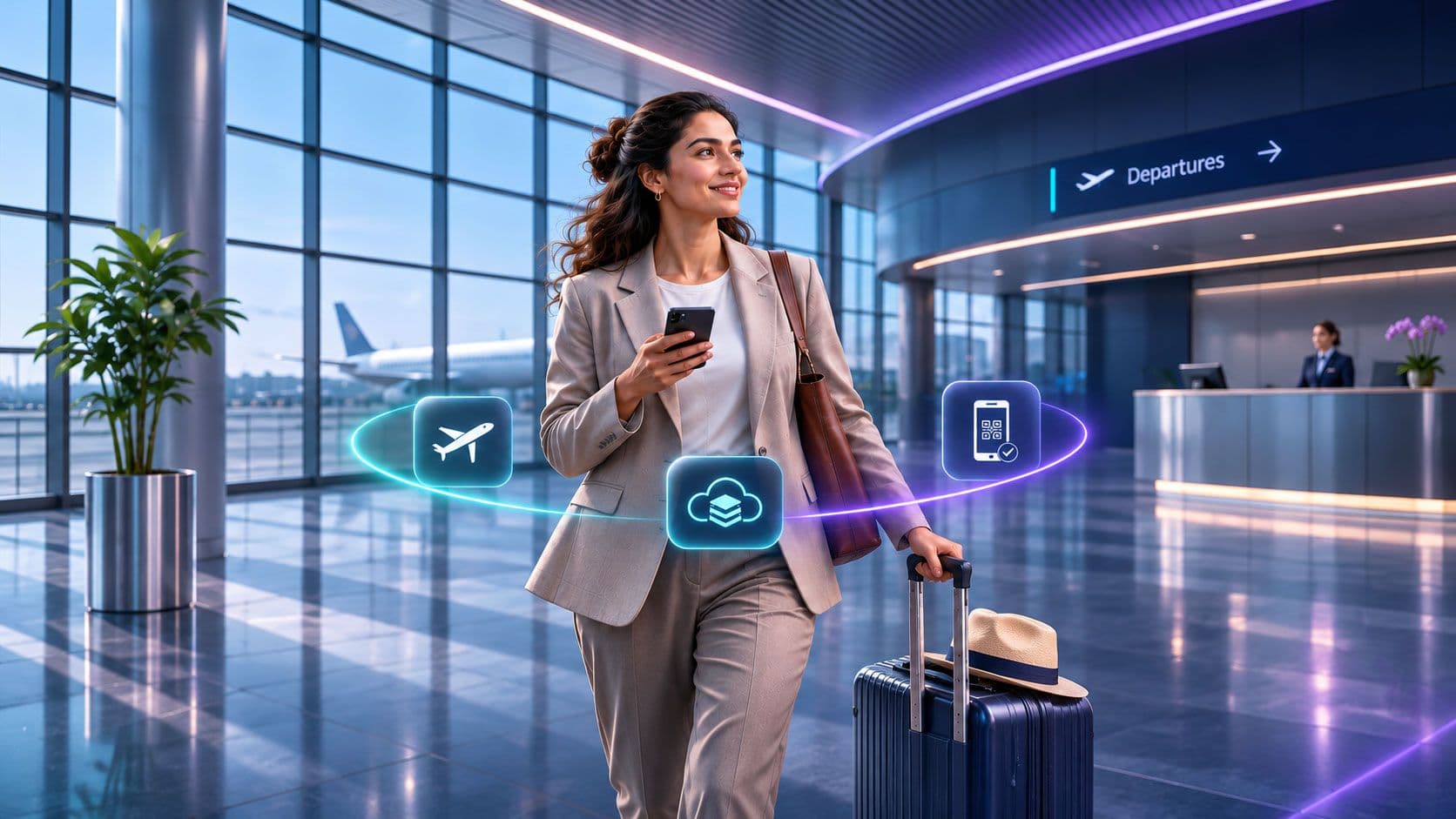
A traveler books a flight, checks in digitally, and receives a gate change notification 40 minutes before departure.
Behind that experience is a stack of integrated decisions: real-time data pipelines, behavioral preference models, disruption prediction logic, and notification systems calibrated to the right channel at the right moment. The digital experience was invisible precisely because the capability behind it was engineered with deliberate rigor. That gap between what a traveler experiences and what an enterprise has actually built is where digital transformation in travel industry is either won or quietly stalled.
The enterprises pulling ahead are treating digital experience not as a set of customer-facing touchpoints to be designed, but as an interconnected capability system to be engineered, one where every capability is directly traceable to a revenue or operational KPI.
The traveler today moves across a journey that spans search, booking, pre-departure, in-journey service, ancillary purchase, disruption management, and post-travel engagement. Each touchpoint is a decision point, a moment where the enterprise either demonstrates it understands the customer or exposes the seams between its disconnected systems.
What travel enterprises are building now is not a better app. It is a customer experience platform for travel that operates as a single intelligence layer beneath all those touchpoints, connecting data, decisions, and delivery into a coherent system. That is the architectural shift that separates digital transformation in travel industry from digital spending.
Rather than describing digital experience as a set of features, the more productive lens is a capability map. Each capability is defined by a measurable business outcome and the KPI it directly influences.
Travel enterprises that resolve identity in real time, connecting web sessions, app behavior, call center interactions, and in-journey service data into a continuously updated profile, can personalize offerings and upsell products in ways that reflect actual journey context. Proactive rebooking, targeted ancillary offers, and loyalty recognition at the moment of highest value all depend on this foundation.
The operations link is direct. Identity continuity reduces inbound service volume by resolving disruptions before they escalate. The revenue link is equally direct: personalized customer experiences in travel that reflect actual journey context convert at measurably higher rates than generic offers.
Personalization in travel industry mostly stops at the marketing layer: segmented emails, personalized homepage banners, and recommendations based on past bookings. The commercial leverage point is the transaction layer, where pricing, ancillary bundling, seat selection, and upgrade logic are informed by what the system knows about the customer.
AI in travel industry have made this achievable at scale. Dynamic packaging that reflects a customer's preferences and current booking context, seat and ancillary recommendations calibrated to travel composition, and proactive service interventions during disruption are no longer differentiators. They are fast becoming baseline expectations.
Travel is a physical experience as much as a digital one. The kiosk at check-in, the gate display, the in-cabin service, and the station platform are all touchpoints where digital and physical converge. The travel enterprises widening their advantage are those that have extended their digital capabilities into these physical moments, treating them as part of the same system rather than separate operational domains.
This integration determines whether the digital investment in booking and pre-departure translates into in-journey revenue and post-travel loyalty, or whether the customer experience resets to zero every time the traveler steps away from the platform.
Digital transformation in travel industry that stays in the back end produces efficiency gains. Digital transformation that surfaces operational intelligence at the point of customer interaction, to the gate agent, the cabin crew, the customer service representative, produces both efficiency and revenue. The distinction is whether the investment is treated as an enterprise analytics capability or as a frontline decision-support capability.
When Robosoft partnered with Brightline, the US high-speed passenger rail operator, the goal was to build a digital platform that served every moment of the customer journey, from initial search through to the station experience and back again. That meant a unified experience across web, app, and physical kiosks, with ancillary services including parking passes, shared rides, and pet and bike bookings integrated into the purchase flow rather than handled as separate transactions.
The outcomes were direct and measurable. An e-commerce-style cart feature reduced drop-offs during the purchase cycle and increased ancillary product sales alongside train tickets. The Brightline for Business corporate portal extended the platform to enterprise clients, allowing companies to allocate employee travel credits directly, with a measurable impact on ridership and revenue. Physical and digital were connected: parking passes integrated with station hardware, so a single QR code handled both the journey and the parking. The experience did not reset at the station door.
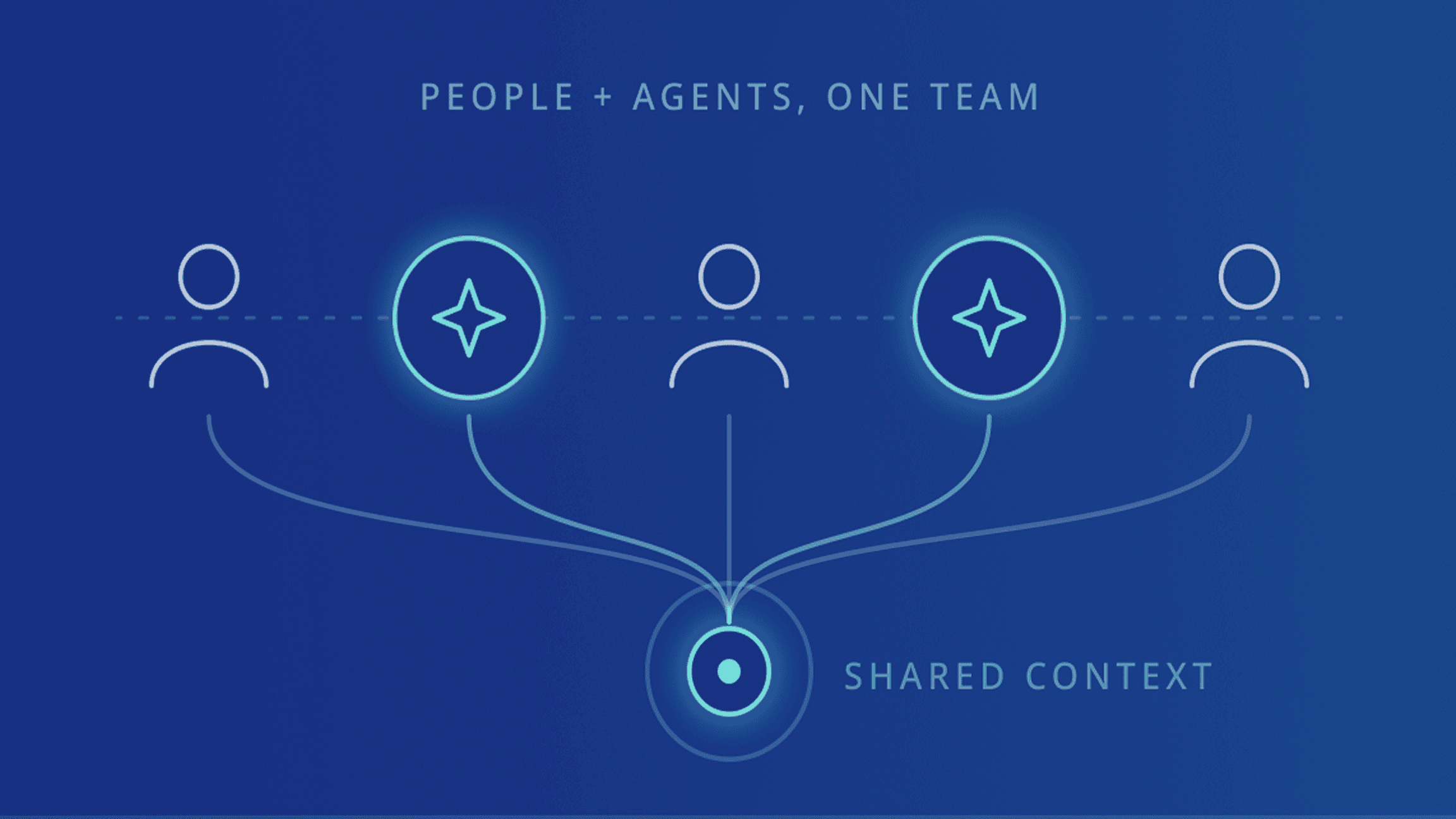
AI in travel industry is now broad enough that the question is not whether to deploy them, but where they compound. Three use cases are consistently producing structural advantage rather than isolated efficiency gains.
Automated rebooking, proactive alerts, and personalized itinerary generation during disruption events reduce inbound service volume and protect revenue that would otherwise be lost to cancellations. The competitive advantage here is the identity and journey data infrastructure that makes the algorithm useful.
AI-driven bundling and pricing logic that reflects customer journey context, total numbers of travelers, booking lead time, loyalty tier, and historical preferences, lifts ancillary revenue per passenger in ways that static pricing rules cannot match. This requires the transaction layer capability described above, not a marketing personalization tool.
Staff-facing tools that surface relevant customer context at the point of interaction, service history, current journey status, loyalty value, and preferences, improve both service quality and commercial conversion. The same AI investment that powers customer-facing personalization can power the frontline experience if the architecture is designed to serve both.
One of the most practical ways to evaluate a digital transformation program in travel is to ask which KPIs each capability investment is connected to. Investment without that linkage produces feature roadmaps that are difficult to prioritize and harder to justify.
The four capabilities described above map to a coherent set of commercial and operational metrics:
AI in travel industry is already changing how search and service interactions are designed in the travel industry. Agentic systems are beginning to reshape how travelers plan and manage itineraries. Connected infrastructure is extending the digital experience into physical transport environments in ways that were not possible five years ago.
What will not change is the principle that governs whether these investments create revenue advantage: capability must precede technology. The enterprises building competitive positions in travel are those that have defined what they need to be able to do, in terms of identity, personalization, integration, and intelligence, and then built the architecture to do it.
At Robosoft, we have spent nearly three decades designing and building the digital capabilities that move commercial outcomes, from booking conversion and ancillary revenue to disruption management and loyalty intelligence.
If you are evaluating how to connect your digital investment to measurable commercial outcomes, we would like to hear what you are building. [email protected]

By Janardhana T
Janardhana is an Technical Architect at Robosoft Technologies with 15 years of experience designing, building, and evolving mobile products. His experience spans mutual fund and consumer-facing financial applications, public transport products, and AI practice initiatives, giving him a broad perspective on building reliable, scalable, and innovative digital products.

RESOURCES
Automotive OTA Updates: Building Scalable Platforms for Software-Defined Vehicles
By KaliCharan Manchikanti

AI in Travel: Enterprise Use Cases Across Booking, Operations and Customer Experience
By Janardhana T
More Models, Fewer Decisions: How to Scale AI Adoption Without Scaling the Bill
By Simon Matar
We are seeing the same pattern with our clients. Once AI adoption reaches a certain point, costs rise faster than the annual budget can absorb. So what drives these costs, and how do you keep adoption going without the budget...
Engineering
Human
Experiences
Let’s get in touch
We craft intuitive digital products that blend user-centric design with robust technology. From UX/UI to full-stack development, we help brands turn ideas into scalable solutions.